

Contemporary lifestyle demands products and services that mix development, ease, and portability, and the increase of lightweight electronic units has reshaped how persons experience everyday habits. Among these developments, liquid for vape (liquid do vape) have appeared as a image of executive creativity, mixing modern design with user-friendly functionality. Built with advanced heat programs, rechargeable batteries, and managed steam result, these units represent a change from old-fashioned techniques to more sophisticated technology-based alternatives. Their growing acceptance reflects how contemporary people value ease without reducing on style efficiency. As engineering remains to evolve, vaping devices are getting more personalized, successful, and flexible to different individual preferences, making them a distinctive example of how design meets contemporary comfort.
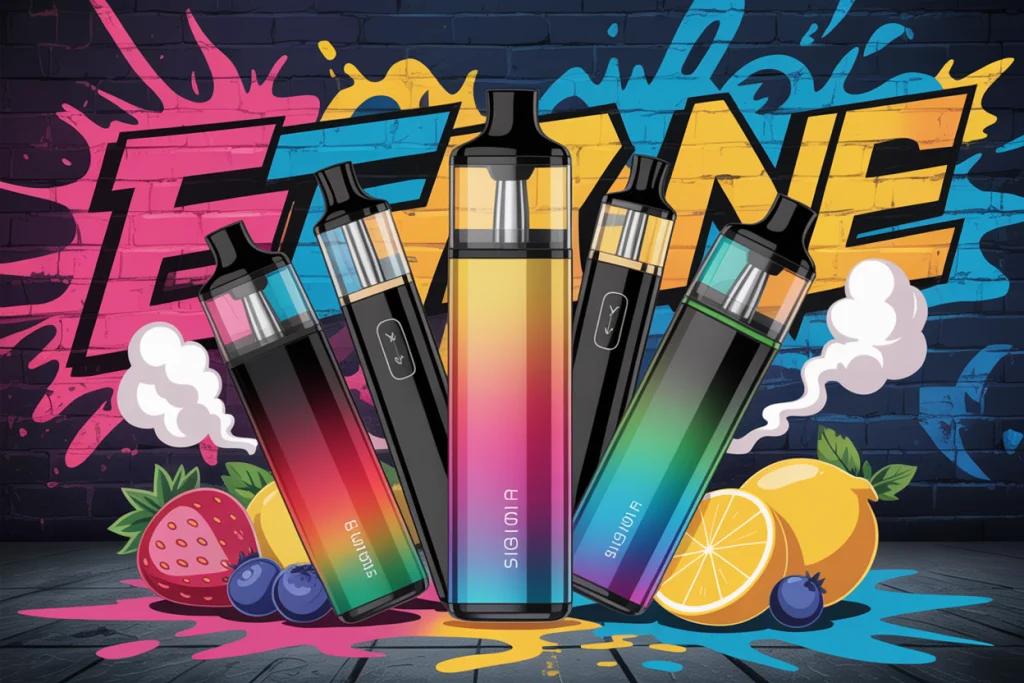
What Makes Contemporary Vapes a Technical Development?
Contemporary vaping products stick out because of their integration of microelectronics, temperature get a grip on methods, and detail circulation mechanisms. These elements work together to supply a consistent and managed experience. Unlike older mechanical products, today's types rely on smart circuits that regulate energy production immediately, ensuring security and safety during use. The utilization of supreme quality components such as for example stainless steel and clay further increases longevity and performance. Additionally, small chipsets allow devices to modify options predicated on consumption habits, creating a more intelligent process overall. That mixture of hardware and computer software design makes vaping devices a substantial innovation in lightweight client technology.
Why Are Vapes Regarded More Convenient Today?
Among the significant reasons for the reputation of vaping units is their comfort in day-to-day use. They are light, very portable, and designed for rapid function without complicated startup requirements. Many devices feature rechargeable batteries that support extended application rounds, lowering the requirement for regular replacements. Refilling methods also have become simpler, allowing people to keep up their units with little effort. The absence of bulky components makes them extremely portable, installing simply into pockets or small bags. That amount of practicality attracts people who prioritize efficiency and freedom within their life style, creating vaping an easy alternative in contemporary times.

How Do Vapes Reflect Design Advancements?
The evolution of vaping technology shows substantial development in electric and mechanical engineering. Designers have developed small heat rings that guarantee also energy distribution, improving overall performance. Battery engineering has additionally sophisticated, providing faster charging times and longer living cycles. Furthermore, ergonomic style maxims are applied to improve consumer comfort and usability. The integration of receptors in certain products allows real-time changes, ensuring maximum efficiency below varying conditions. These breakthroughs demonstrate how numerous fields of engineering get together to make a seamless and effective solution that aligns with contemporary objectives of creativity and usability.
What Is The Potential Of Vaping Technology?
The ongoing future of vaping engineering is estimated to focus on better customization, smarter controls, and improved power efficiency. Designers are working toward devices that may automatically alter productivity predicated on individual behavior styles, creating them more intuitive. Sustainability can be being a crucial emphasis, with efforts to develop recyclable parts and longer-lasting batteries. As electronic integration grows, future products may possibly include app-based regulates for improved personalization. These developments suggest a continuous development toward better, solution, and more effective systems. Eventually, vaping technology probably will become much more polished, showing the ongoing progress of contemporary design and consumer-driven innovation.